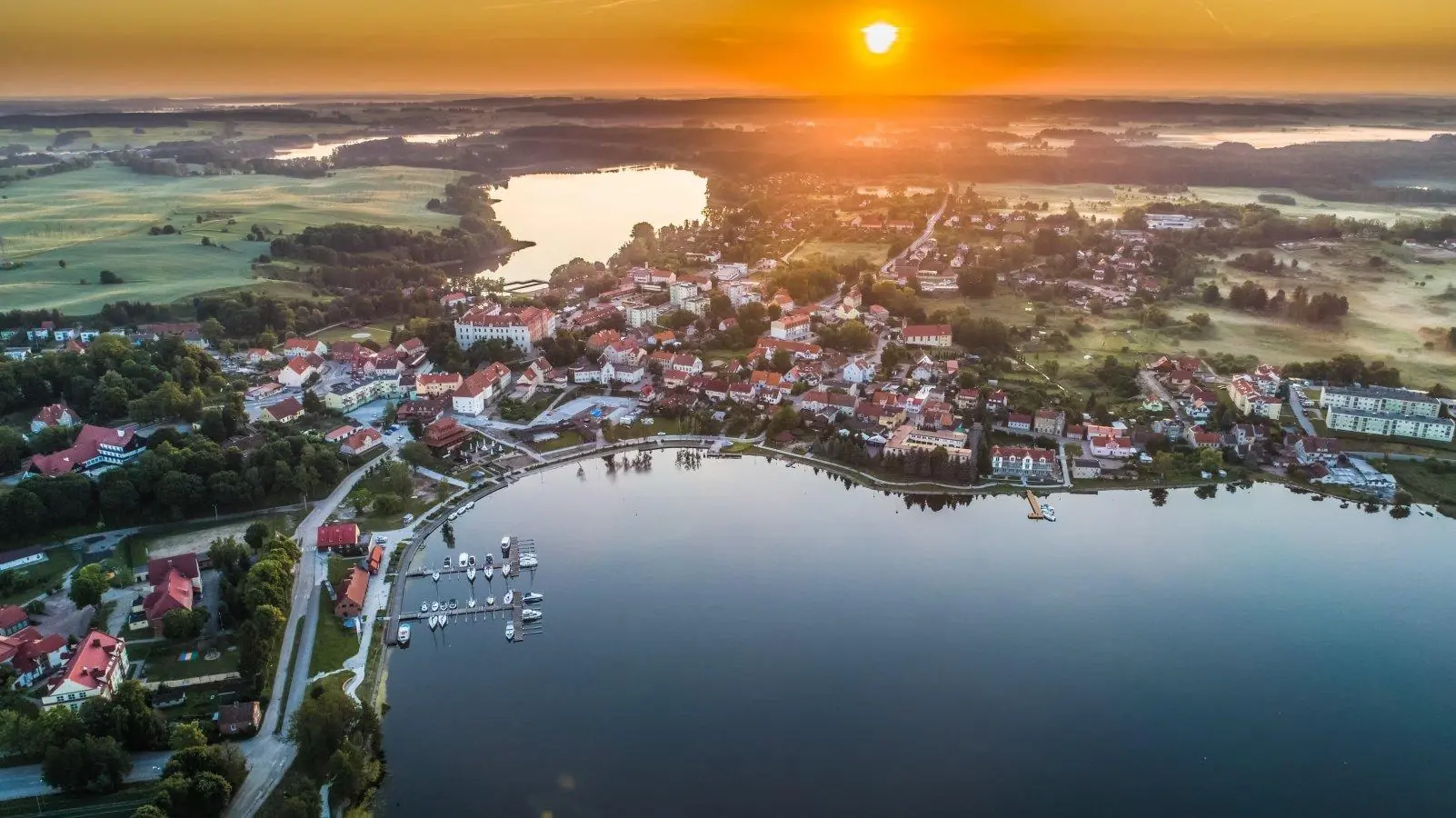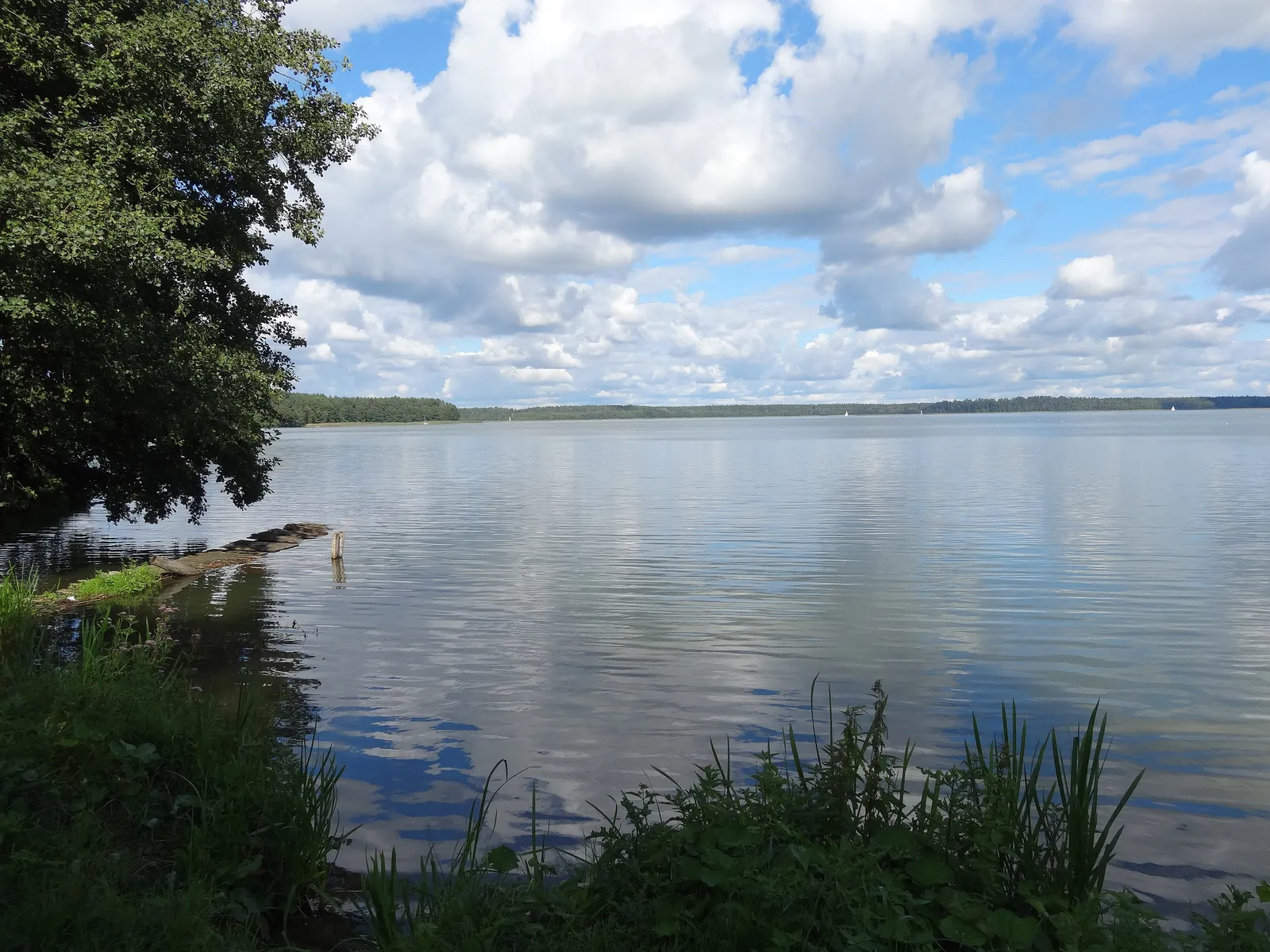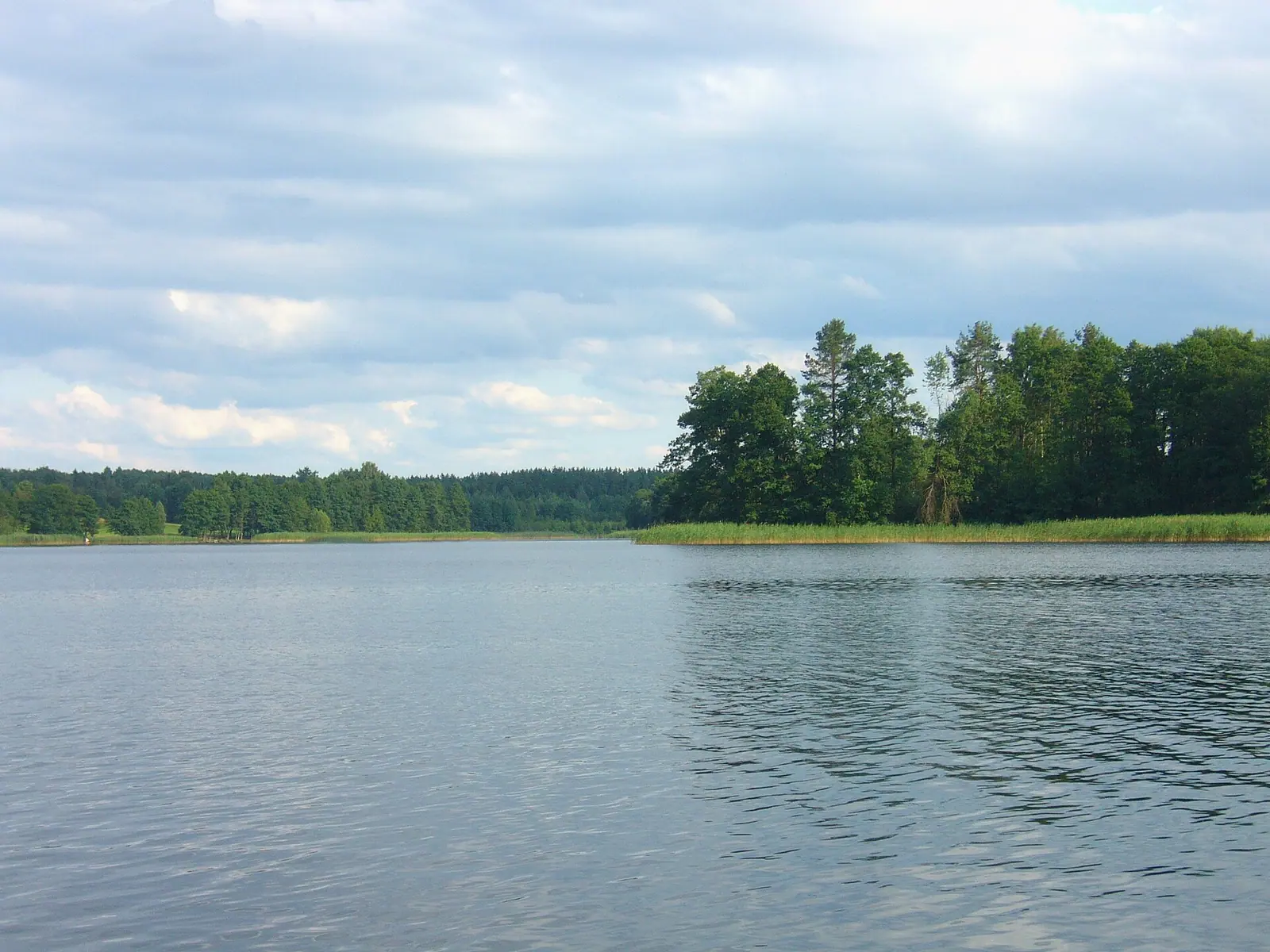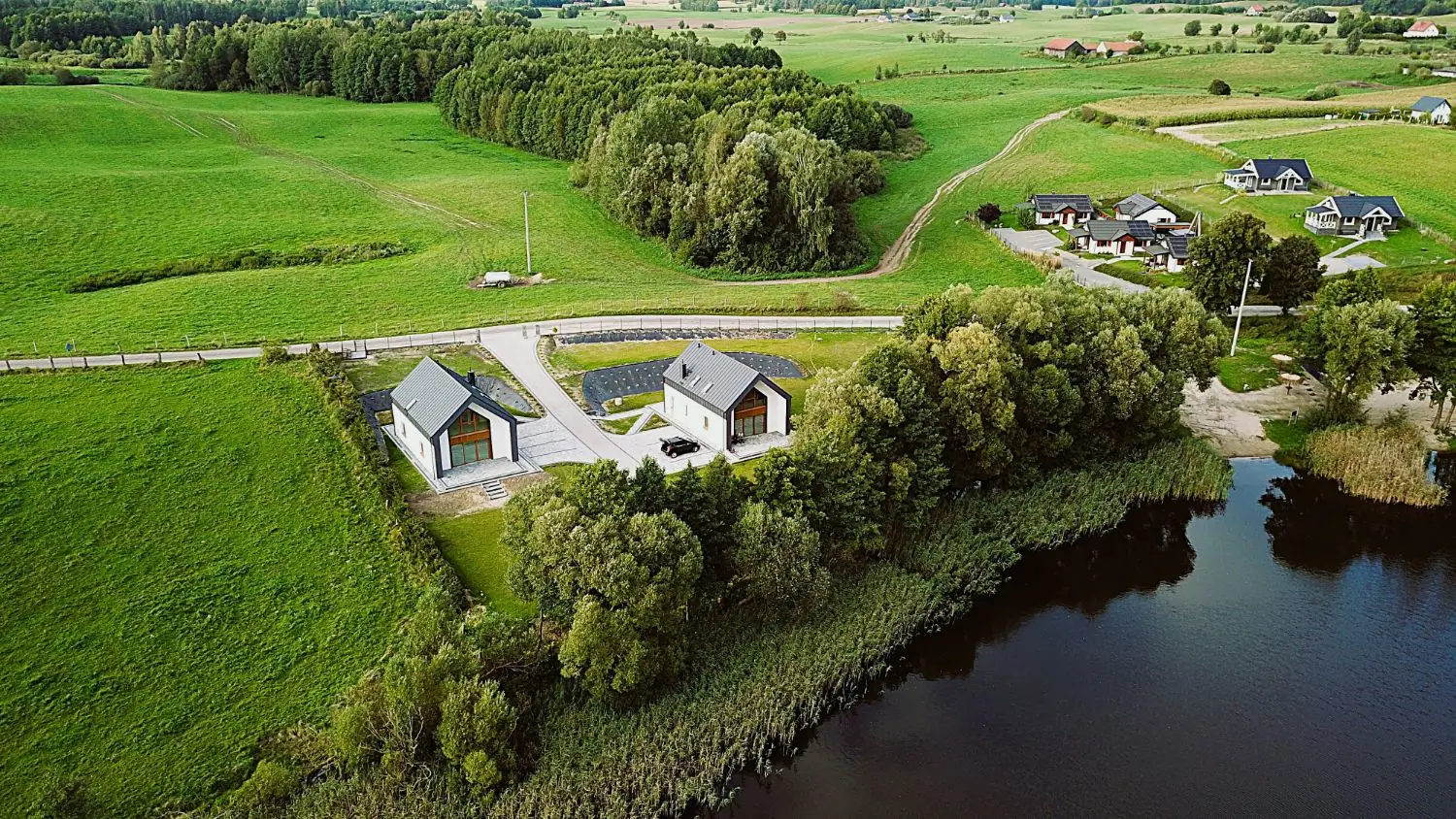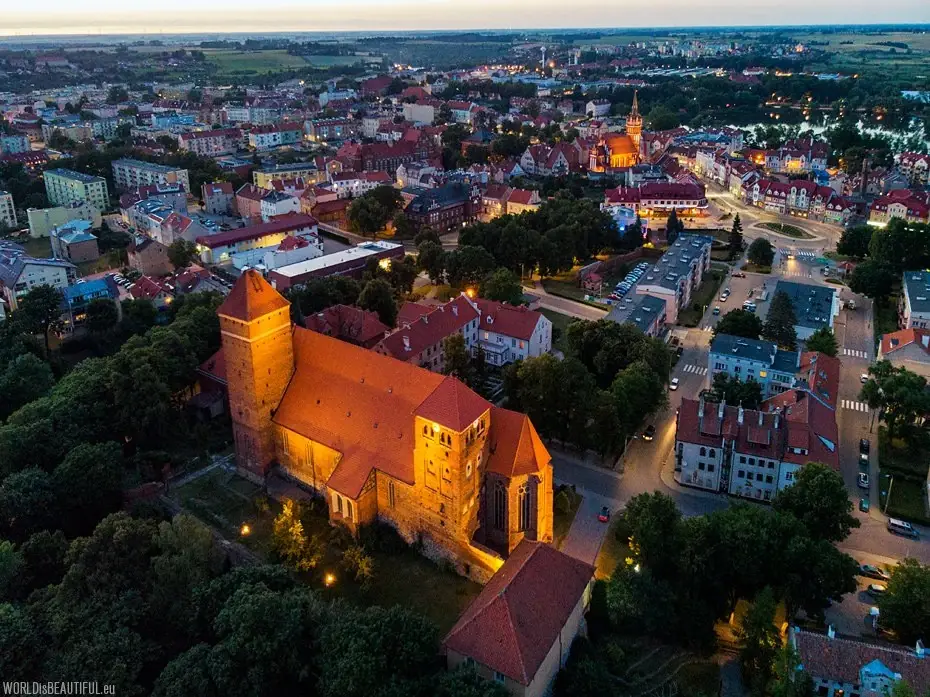
Masuria is associated above all with lakes, sails, jetties and summer days by the water. Kętrzyn, however, shows a completely different side of the region. Here medieval walls, Gothic architecture, a Teutonic castle and a history that changed the town's character over the centuries take centre stage.
That is why Kętrzyn is worth approaching differently from Mikołajki, Giżycko or Ryn. You do not come here just for a view of the lake. You come to see what old Masuria looked like, to learn the history of Rastenburg, to walk into a medieval castle, to see one of the most remarkable fortified churches in northern Poland, and then to head on to places such as the Wolf's Lair.
Kętrzyn is also a great base for day trips. The best-known towns and attractions of northern Masuria are not far away. That means you can spend one day exploring the history of a medieval town and the next go back to the lakes.
It is a place for people who like to travel a little more mindfully. The kind of trip where we do not just take photos but start to wonder why a town was founded right here, who lived in it several hundred years ago and why its history was so complicated.
01Kętrzyn: once Rastenburg
The town's history goes back to the 14th century. The first mention of the place dates from 1342. Near an earlier Prussian settlement called Rast, the Teutonic Knights built a wooden watchtower named Rastenburg. Its job was to protect this part of the Order's state against Lithuanian raids, and it also served as a staging post for expeditions in the opposite direction.
The beginnings were far from peaceful. The watchtower was captured and burned by Lithuanian forces twice, in 1345 and 1347. Each time, however, it was rebuilt, and the settlement beside it kept growing.
In 1357 the settlement received its town charter. In the same period work began on a brick castle, which remains one of Kętrzyn's most important monuments to this day.
Walking around today's centre, it can be hard to imagine that the layout of this part of town began to take shape more than six hundred years ago. Yet you only need to walk up to the castle or St George's Basilica for history to stop being abstract.
02The Teutonic castle: the heart of historic Kętrzyn
One of the first places worth visiting is the Teutonic castle. The brick building was built after the town received its charter and was completed before 1374. At first the castle had three wings, and on the west side the courtyard was closed by a wall with a gate.
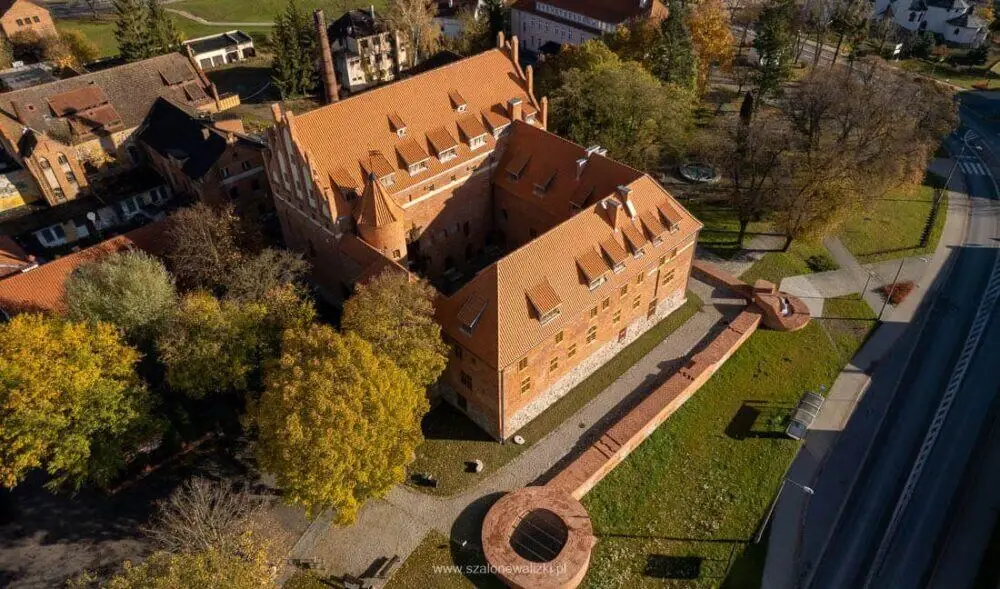
It was not a fortress the size of Malbork. It did, however, have a very important administrative, economic and military role. In the most prestigious north wing sat the Teutonic procurator, the Order's official who ran the surrounding lands. The complex included a kitchen, a bakery, a mill, a brewery, stores, an armoury, a powder magazine and a prison.
It is an interesting perspective. Today we look at the castle as a single monument. In the Middle Ages, however, it was something like a small, self-sufficient administrative centre. People lived and worked here, food was stored, power was exercised and defence was organised.
03A castle that almost disappeared
The present appearance of Kętrzyn Castle is not only the work of its medieval builders. Over the centuries it was rebuilt many times. In the 18th and 19th centuries it served, among other things, as the seat of a royal domain and was adapted for living in. In 1797 it was damaged in a large fire.
The most dramatic moment, though, came at the end of the Second World War. After the town was taken in January 1945, the castle and much of the historic town were burned. The present form of the building is the result of reconstruction carried out in 1962-1967, during which an effort was made to give it back a more Gothic character.
It is worth knowing this before you go in. Kętrzyn Castle is both a medieval monument and an example of post-war reconstruction.
04The Wojciech Kętrzyński Museum
Today the castle houses the Wojciech Kętrzyński Museum. It is one of the oldest museums in Warmia and Masuria, open since 1946. It moved into the rebuilt castle in 1967.
The museum collects objects linked to the history of the town and the whole region. It also carries out archaeological and historical research into, among other things, the old Prussians, the Teutonic state and the later history of Masuria.
Particularly interesting is a multimedia model of old Kętrzyn, then Rastenburg, in the mid-19th century. The projection uses mapping and shows what the town looked like before later rebuilding and destruction.
It is a good place to start your visit. Once you have seen the model, it is easier to spot historic traces as you walk around today's Kętrzyn.
05Archaeology is still uncovering the castle's secrets
The history of Kętrzyn is not a closed, fully written book. Archaeological research is still going on around the castle.
Finds include tens of thousands of pottery fragments, pieces of glass vessels, crossbow bolt heads, coins, a stone cannonball and fragments of medieval chainmail. A fragment of a 14th-century pilgrim badge brought back from Rome was also discovered.
In 2024, excavations in the courtyard uncovered previously unknown remains of a room leading to the cellar of the Teutonic procurator. It is a great example of how much information may still lie a few metres beneath the town.
06St George's Basilica: a fortress and a church in one
If the castle is one symbol of Kętrzyn, the other should definitely be St George's Basilica. It is one of the most remarkable church buildings in Masuria.
It does not look like a classic church standing peacefully in the middle of town. Thick brick walls, massive towers and its distinctive position immediately reveal that the church was also meant to serve as a defence.
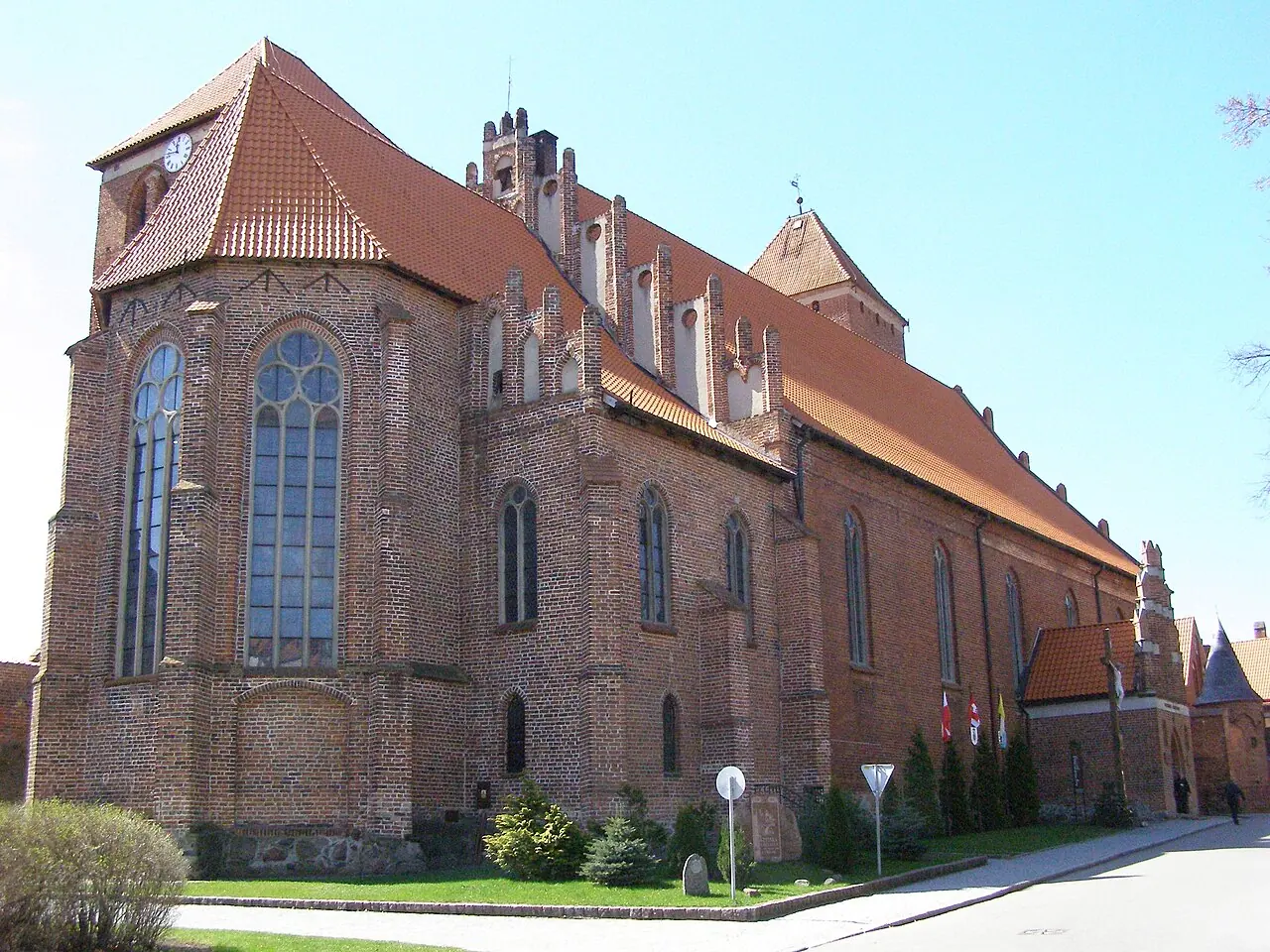
The church was built from the 14th to the early 16th century. Construction began in 1359, using the south-western section of the town's defences. As a result the church became an integral part of the fortifications. Today it is precisely this combination of religious and defensive architecture that impresses most.
07One of the most valuable medieval churches in the region
St George's Basilica is regarded as one of the most valuable monuments of medieval church architecture in Warmia and Masuria. It grew in stages. At first it was a single-nave church. Later further parts were added, and at the end of the 15th century the interior was enlarged with an extra aisle.
Particularly distinctive is the unusual axis of the chancel. It is not a perfect continuation of the nave but is clearly angled. This was because the new part of the church had to be fitted to an existing tower.
Inside, the late Gothic crystal vaults from the early 16th century also catch the eye. It is one of those places that can hold the attention even of people not usually interested in architecture.
08Kętrzyn is best explored on foot
Kętrzyn's historic centre is not large, and that is its advantage. You can start your walk at the castle, then head towards St George's Basilica, see fragments of the old town and other historic buildings, and then stroll through the centre.
You do not need a car to get between the sights. That makes it easier to notice that the medieval monuments here are not cut off from the modern town. They are part of it. Every day residents walk past walls built several hundred years ago.
09Rastenburg: a town of East Prussia
For most of its history Kętrzyn was called Rastenburg. For centuries the town lay in the Teutonic state, then in Ducal Prussia, the Kingdom of Prussia and Germany. That is why Kętrzyn's architecture and history differ from many places in other parts of Poland.
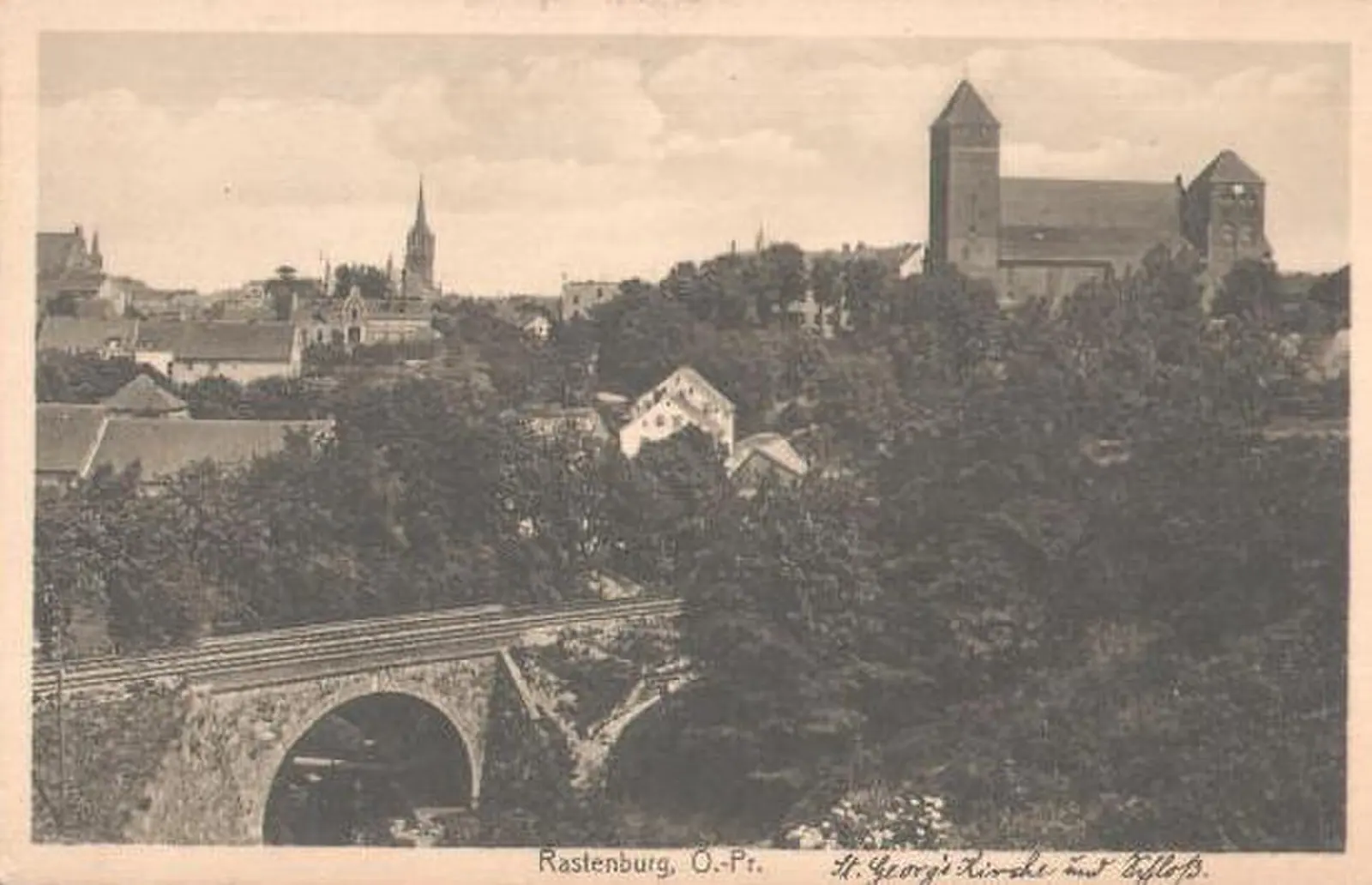
For hundreds of years Masuria was a borderland of cultures, languages and nationalities. Traces of this history can be seen not only in the architecture but also in old cemeteries, names, museum collections and the lives of the people of the region.
10Why is the town called Kętrzyn today?
After the Second World War Rastenburg became part of Poland. In 1946 the town was named Kętrzyn in memory of Wojciech Kętrzyński, a historian, activist and scholar of the history of Masuria.
Interestingly, he was born Adalbert von Winkler and grew up in a Germanised family. While at grammar school in Rastenburg he learned about his family's Polish roots, and later returned to the surname Kętrzyński.
He became involved in Polish patriotic activity and supported the January Uprising, among other things by helping to smuggle weapons to the insurgents. For this he was sentenced to prison. Today not only the town but also the museum in the castle bears his name.
11A town rebuilt after the war
The Second World War and the first months after it changed Kętrzyn completely. In 1945 much of the historic town was destroyed or burned. Practically the whole population of the town changed too.
Old Rastenburg ceased to exist in the form it had had for centuries. In its place, Polish Kętrzyn began to take shape. That is why today's town is an interesting mix of surviving medieval monuments, post-war buildings and traces of the old town's architecture.
Not all the pieces fit together perfectly. But that is part of Kętrzyn's character.
Kętrzyn in dates
- 1,342
- first mention of Rastenburg
- 1,357
- town charter
- 1,359
- work begins on St George's Church
- 1,946
- the town is named Kętrzyn
- 1,967
- museum in the rebuilt castle
12The Wolf's Lair: a few kilometres from Kętrzyn
You cannot talk about Kętrzyn's importance to visitors without mentioning one of the best-known historic sites in the whole region. In nearby Gierłoż lies the Wolf's Lair, Adolf Hitler's former main headquarters on the Eastern Front.
The complex was built in the forest near what was then Rastenburg. Construction began in 1940. On about 250 hectares, around 200 different structures were built, from huge reinforced concrete bunkers to technical buildings, guardhouses and communications facilities. The site was chosen partly because of its forests, lakes and marshes and how well they could hide the whole complex.
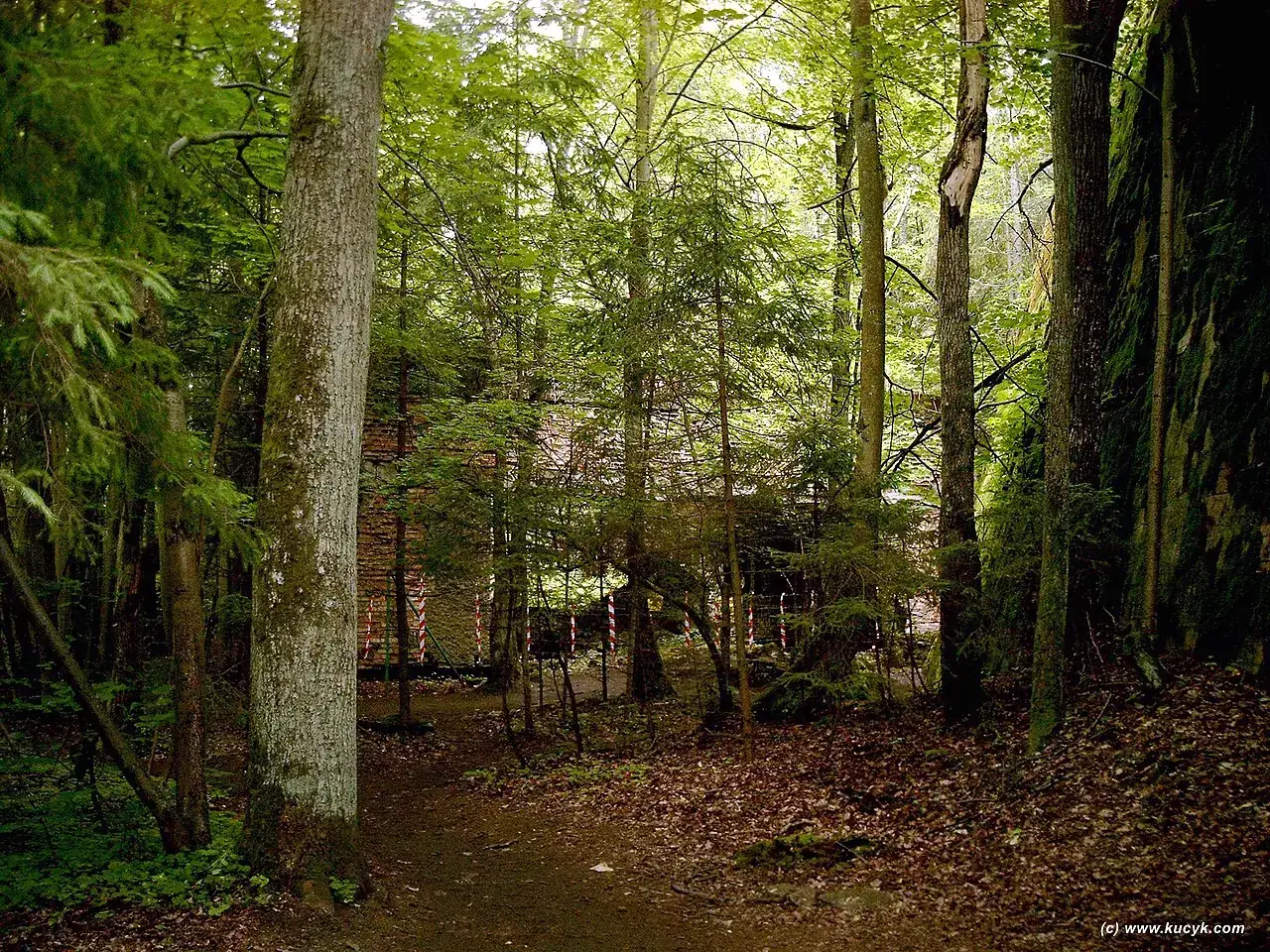
It was here, on 20 July 1944, that Colonel Claus von Stauffenberg carried out the failed attempt on Hitler's life. Today the site is run as a Centre for Historical and Nature Education and is open to visitors.
13The Wolf's Lair is worth seeing with the right perspective
It is one of the most important places in Masuria linked to the history of the Second World War. It should not, however, be treated as an amusement park or as interesting just because "there are bunkers". Decisions taken at Gierłoż affected the lives of millions of people.
That is why it is worth visiting the complex mindfully: reading the descriptions, using the educational materials available and learning the context of the events. Only then do the huge structures, blown apart by explosions, start to make a real impression.
Not because of their size. Because of what they were part of.
14Kętrzyn as a base for exploring northern Masuria
Kętrzyn's location makes it a good stop on a bigger journey around the region. In one direction you can head for Giżycko and the Great Masurian Lakes, in another for Ryn or Mikołajki. Gierłoż and the Wolf's Lair are close by, and further on there are more monuments, palaces, churches and small Masurian villages.
That makes it easy to combine a day in Kętrzyn with other attractions. It does not mean, however, that the town itself should be treated only as a stop on the way to the Wolf's Lair. That is a common mistake. Kętrzyn has enough history of its own to deserve a few hours of unhurried sightseeing.
15Masuria does not always have to mean water
Kętrzyn is a great reminder of one thing. Masuria is not only lakes. It is also medieval towns, Teutonic castles, fortified churches, old estates, Prussian villages, palaces and places linked to the most dramatic events of the 20th century.
If we spend our whole stay going from harbour to harbour, we will see only one part of the region. A trip to Kętrzyn lets you leave the most touristy routes for a while and see the land side of Masuria.
16Kętrzyn in every season
Kętrzyn is not a one-season town. Each season shows its history in a slightly different light.
Summer
A natural stop for those holidaying by the lakes. You can visit the castle and the centre in the morning, then drive to Gierłoż, and come back towards the lakes in the evening. On summer weekends allow extra time, as the historic sites nearby are popular.
Autumn
A season that particularly suits the town's character. The brick walls of the castle, the Gothic basilica and the old trees look completely different in autumn colours, and the bunker ruins at Gierłoż blend even more into the forest. It is quieter too.
Winter
Without the holiday rush, Kętrzyn works like an ordinary small town of the region. You can stroll through the centre, visit the museum and see the main monuments without crowds.
17What to see on your first visit to Kętrzyn?
If you have one day for sightseeing, you can plan a relaxed route that includes:
- 01the Teutonic castle and the Wojciech Kętrzyński Museum
- 02St George's Basilica
- 03a walk through the historic part of town
- 04surviving fragments of the old town and its fortifications
- 05a trip to the Wolf's Lair at Gierłoż
Do not reduce Kętrzyn to ticking off monuments, though. Leave yourself some time for an ordinary walk. Only then can you see how the historic buildings fit into the modern town.
18Why visit Kętrzyn?
Because it shows Masuria from a completely different perspective. In Mikołajki you first see the lake and the harbour. In Giżycko, yachts, Lake Niegocin and Boyen Fortress. In Ryn, a huge castle standing between two lakes. In Kętrzyn, history takes centre stage.
The medieval castle recalls the days of the Teutonic state. St George's Basilica shows that a church could also be part of a fortification. The town's name tells the story of Wojciech Kętrzyński and the complicated identity of the people of old Masuria. And a few kilometres away the Wolf's Lair recalls one of the darkest periods of European history.
That is a lot for one small town. And that is why Kętrzyn deserves a place in your Masurian itinerary. Not instead of the lakes, sailing and time by the water. As a complement to them.
Because only when we have seen both the Masurian harbours and the old castles, churches, towns and traces of history hidden in the forests do we begin to understand that Masuria is much more than just the Land of the Great Lakes.